


The Novel of the Century to Come


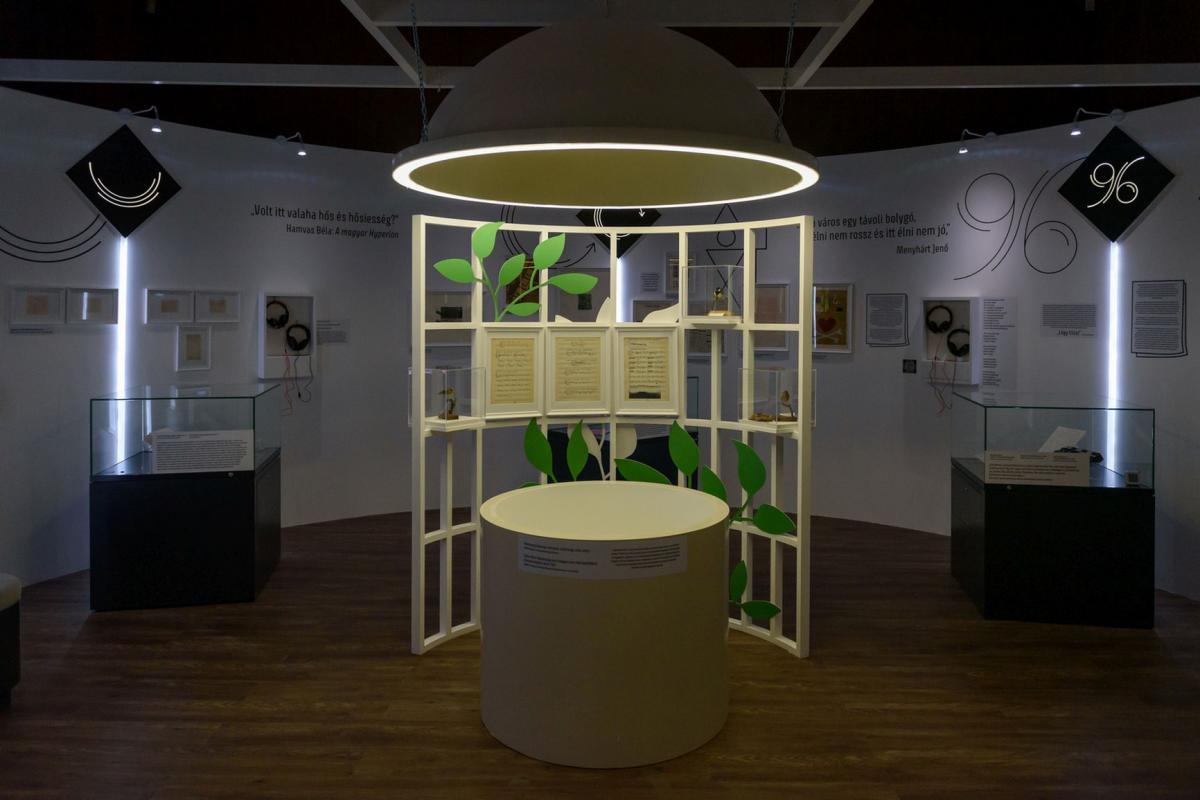
In our exhibition inspired by the novel of Mór Jókai, we invite our visitors on a journey—an encounter with the future envisioned in The Novel of the Century to Come, with the future that was later realized in history and has since become the past, and with our own visions of the future rooted in the present.
The exhibition is open from 31 March to 30 June 2026.
Opening hours: Tuesday–Saturday: 10:00–18:00
Ticket office closing: Tuesday–Thursday: 17:00, Friday–Saturday: 17:30
Venue: National Széchényi Library, Buda Castle Palace, Building F,
6th floor, Corvina rooms
(1014 Budapest, Szent György Square 4–5–6)
The exhibition is recommended for visitors aged 14 and above.
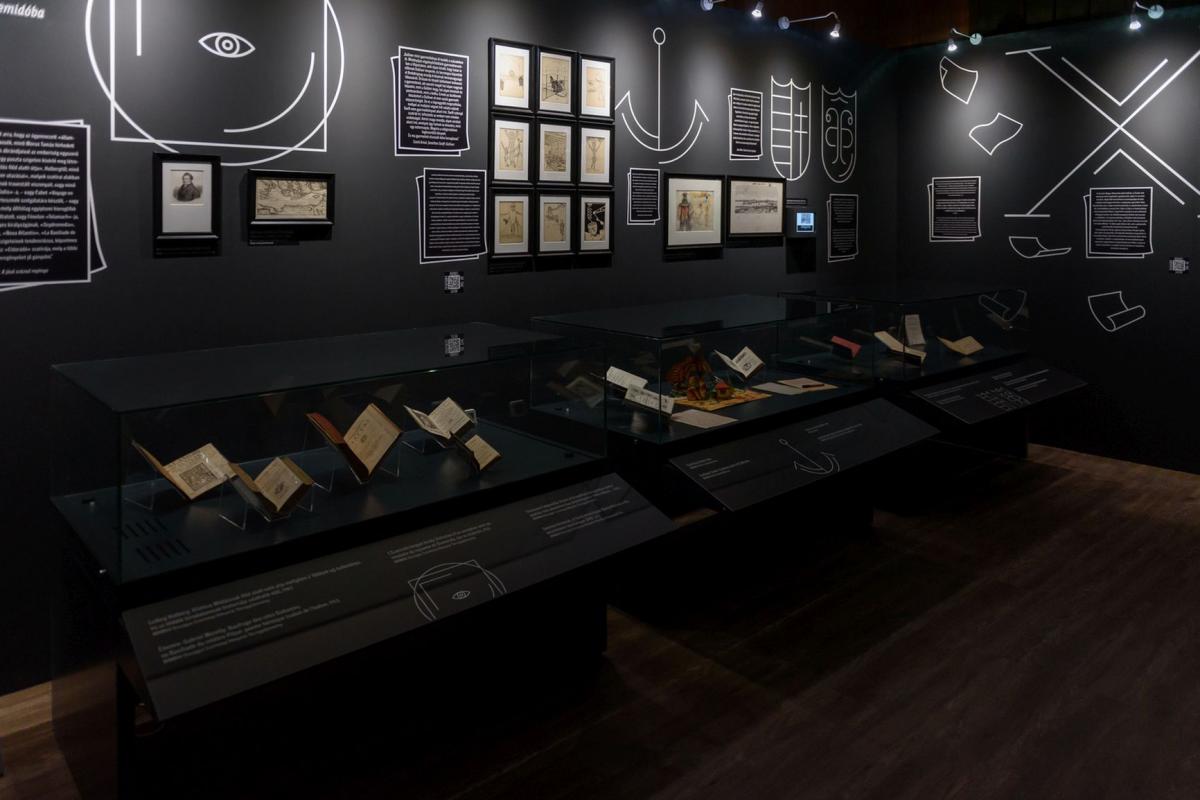
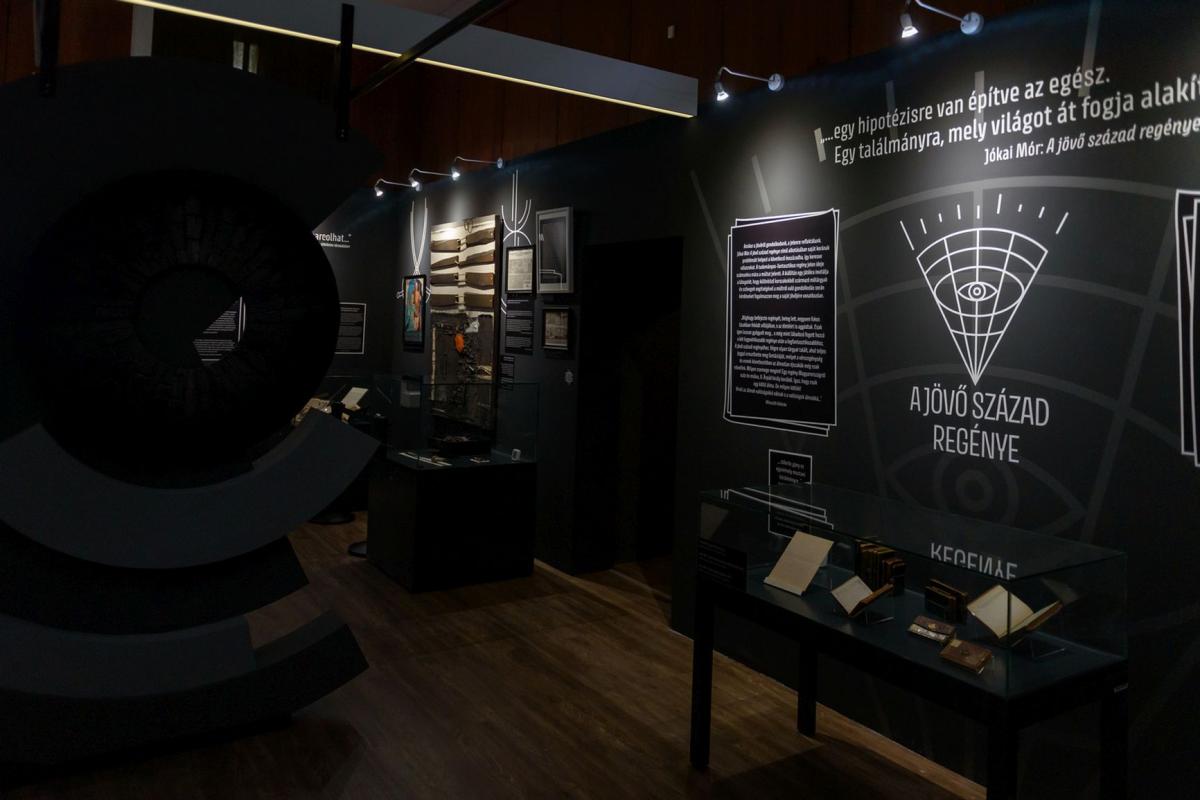
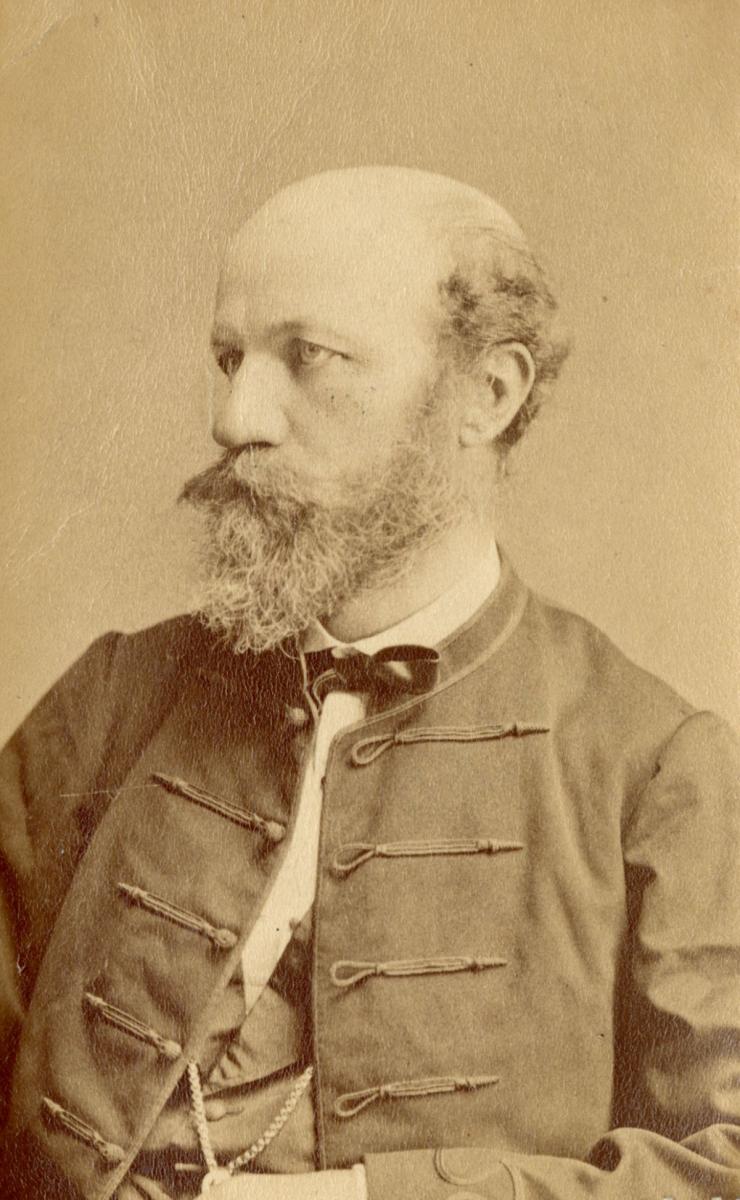
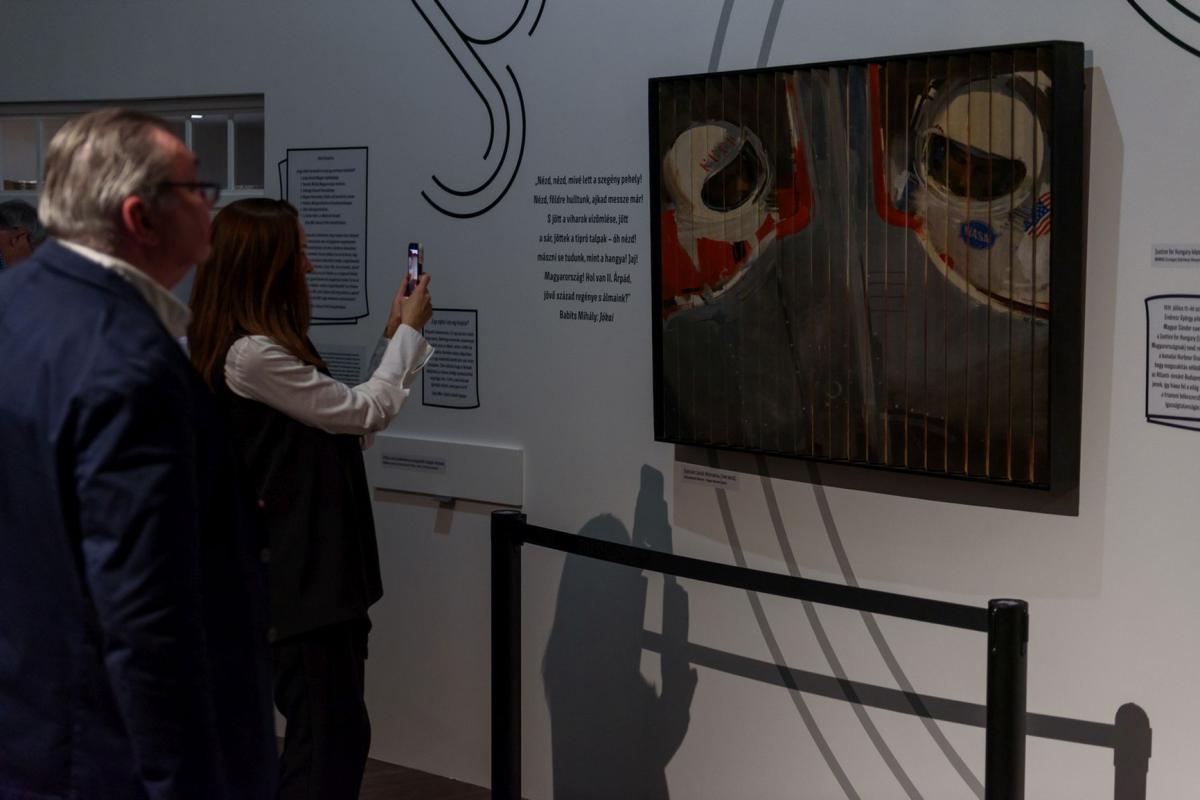
Mór Jókai wrote his novel—often referred to as the first Hungarian “science fiction” work—in the first half of the 1870s. Set between 1952 and 2000, its utopian and satirical, intricately woven narrative provided the inspiration for the exhibition’s central concept: the parallel presentation of the Hungarian reality imagined by Jókai and the actual history of the second half of the 20th century.
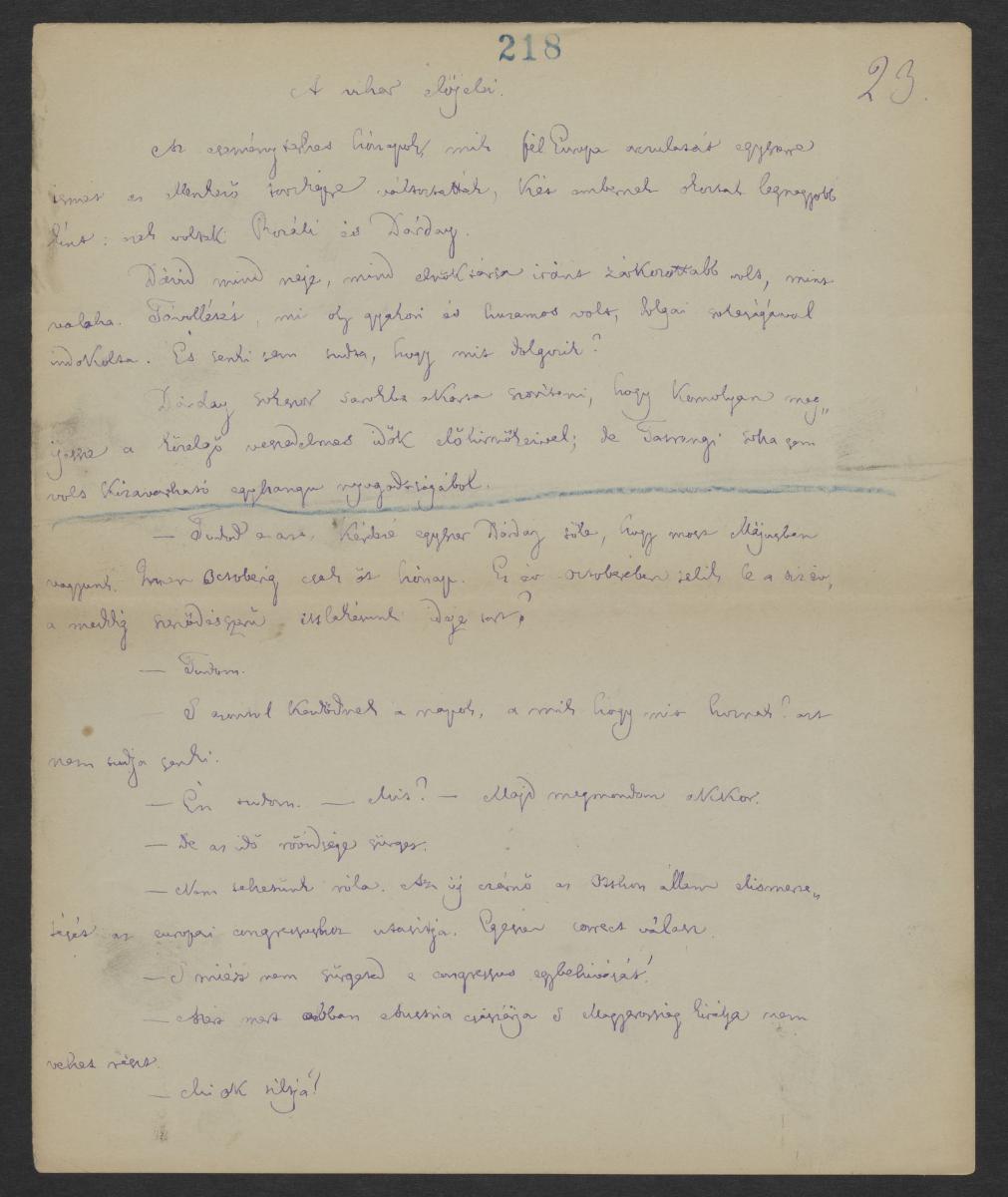
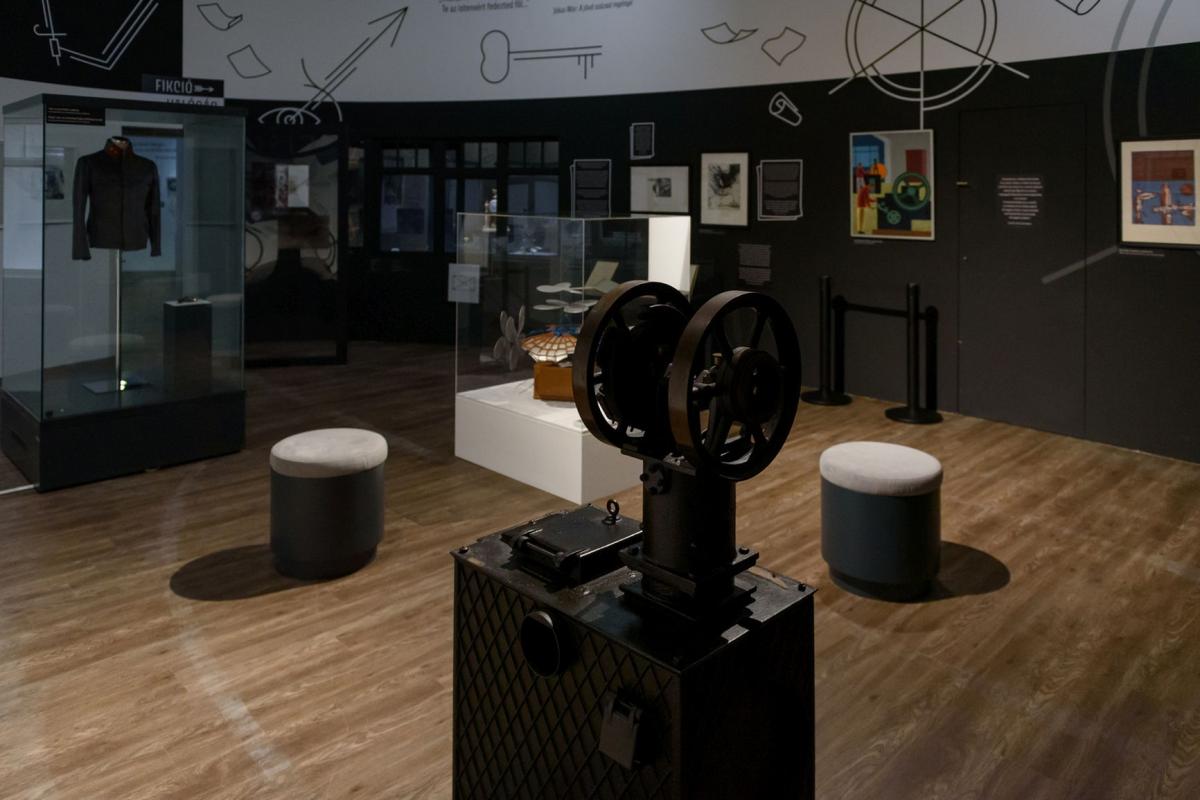
Alongside the manuscript of Jókai’s novel fragment and the author’s notebooks, the exhibition invites visitors on a journey of discovery. The three exhibition rooms not only show how the recent past—the second half of the 20th century—compares to Jókai’s hopes, doubts, fears, and faith in science, but also present several outstanding works from the European intellectual tradition that can be seen as precursors to Jókai’s novel. These include, for example, a 12th-century German-language codex containing commentaries on the Book of Revelation (Apocalypse), a 16th-century parachute drawing by Fausto Veranzio reflecting humanity’s ancient desire to fly, and documents related to comet observations. The exhibition also features the 1518 Basel edition of Thomas More’s Utopia, which gave the genre its name, and the now 300-year-old popular novel Gulliver’s Travels by Jonathan Swift. In addition, artistic works inspired by major Hungarian classics of the genre, such as the novels of Frigyes Karinthy and Sándor Szathmári, are also included.
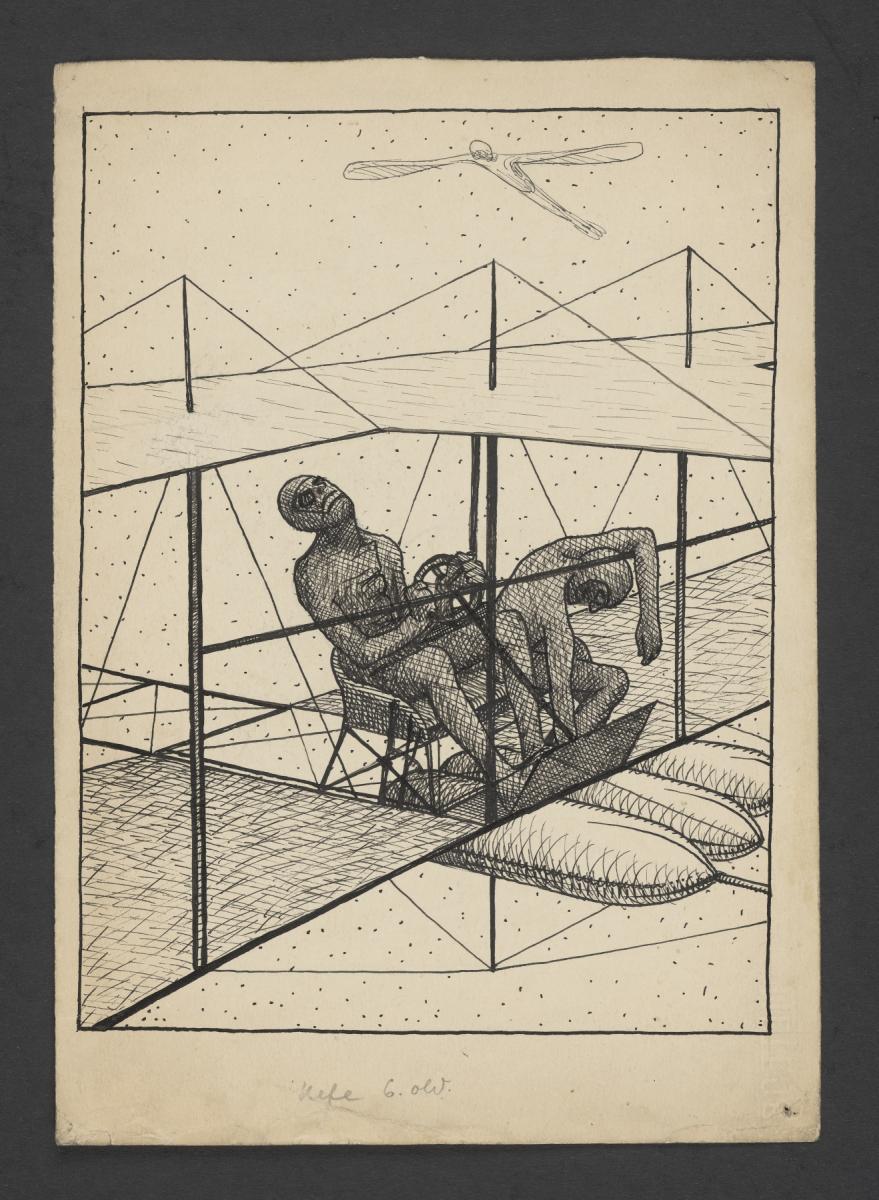
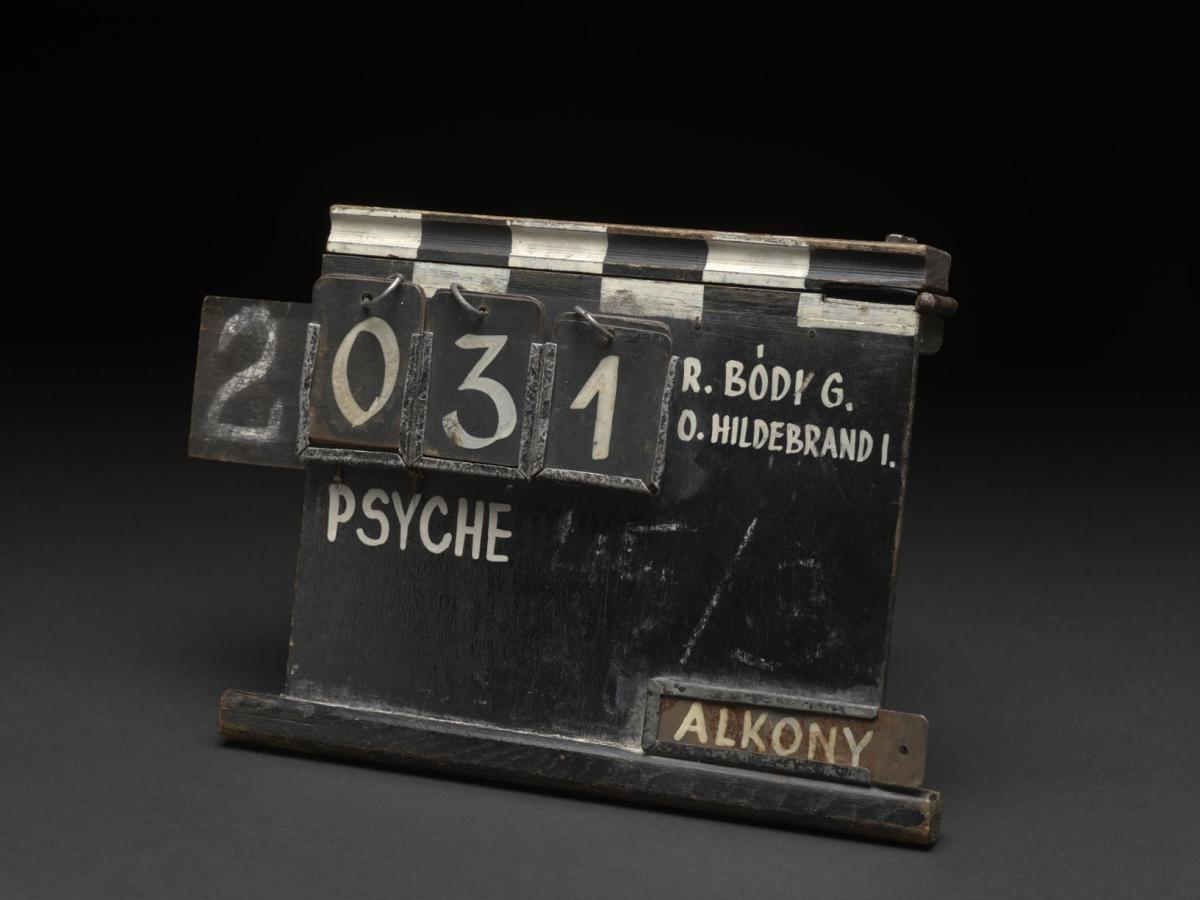
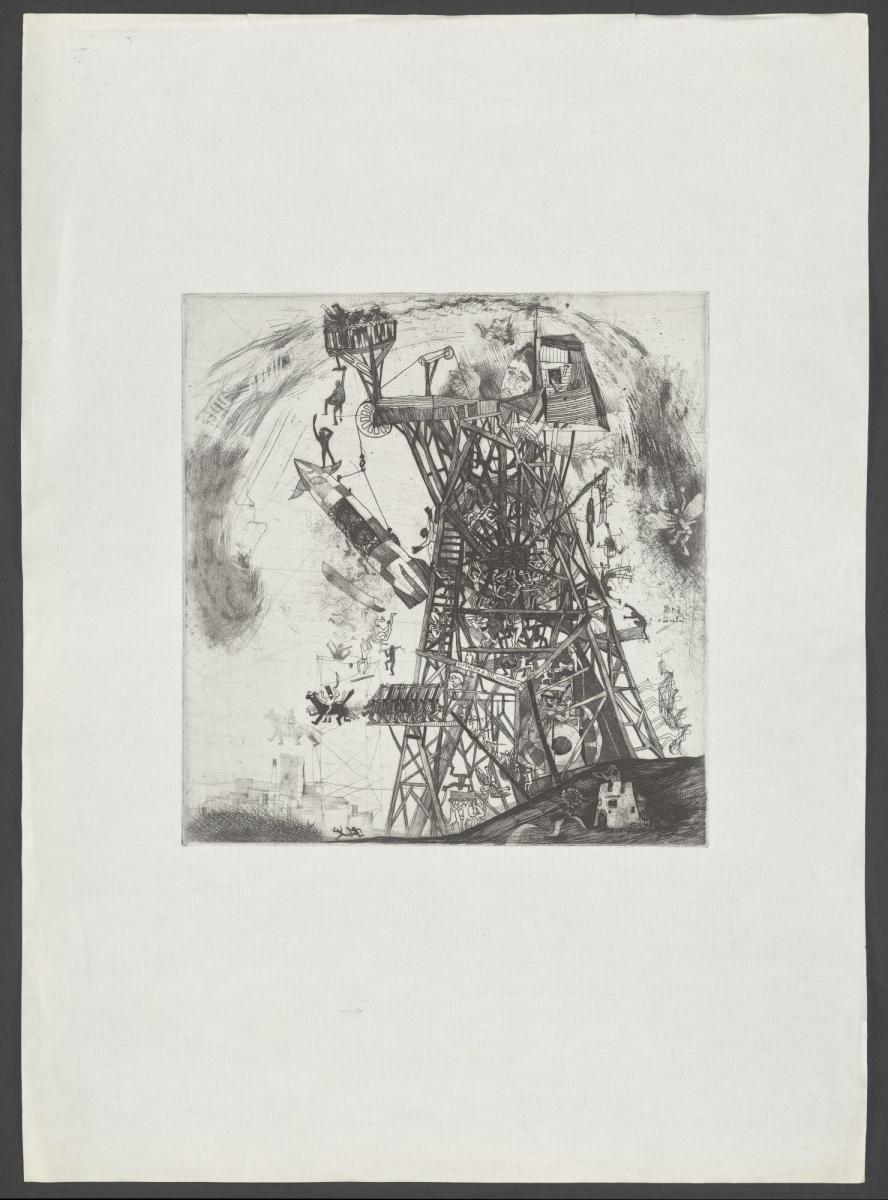
Alongside valuable, fascinating, and rarely seen original documents and objects—such as a flapping-wing aircraft model similar to the aerodrome described in Jókai’s novel, as well as dinosaur fossils and pilot uniforms—the exhibition also highlights 20th-century contemporary responses by artists and thinkers. These include references to the film art of Gábor Bódy (who would have turned 80 this year), Tamás Cseh’s “playing Indians” activities begun in Bakonybél in 1961, the engravings of Dóra Maurer, who passed away this year, as well as significant works of samizdat culture and the musical underground. The exhibition also gives prominence to Béla Kondor’s aviation-themed engravings and to the works of the lesser-known naïve artist Dezső Mokry Mészáros, whose diary offers insight into his imaginative world.
The responses of the second half of the 20th century—from opposition to withdrawal—offer visitors the opportunity to seek their own answers and solutions to the pressing questions of our time based on their own knowledge.
The exceptionally rich selection of documents and artworks on display draws from the collections of the National Széchényi Library, the Petőfi Literary Museum, the Museum of Applied Arts, the Hungarian Natural History Museum, the Hungarian Museum of Science, Technology and Transport, the Hungarian National Gallery, the Ludwig Museum, the Military History Institute and Museum, the Herman Ottó Museum, the Katona József Museum of Kecskemét, the Eötvös Loránd University Library, the ELTE Faculty of Humanities Institute of Art History Archive, and the Kiscelli Museum – Municipal Gallery, as well as from private collections.
Curators of the exhibition:
Eszter Feke, researcher at the Manuscript Department of the OSZK
Fruzsina Sulics, researcher at the Map, Poster and Small Prints Department of the OSZK
Dr. Miklós Veres, head of department at the Archive of the Petőfi Literary Museum
Exhibition design: Mária Gazdag
Graphic design: Tamás Takács
Production: Kiáll Kft.
DATA OF PUBLIC INTEREST | PRIVACY POLICY | © NSZL 2015–2026

| MENU |

|