


Young Researchers at the Interface of AI and Digital Humanities – OSZK and ELTE hosted a three-day international conference


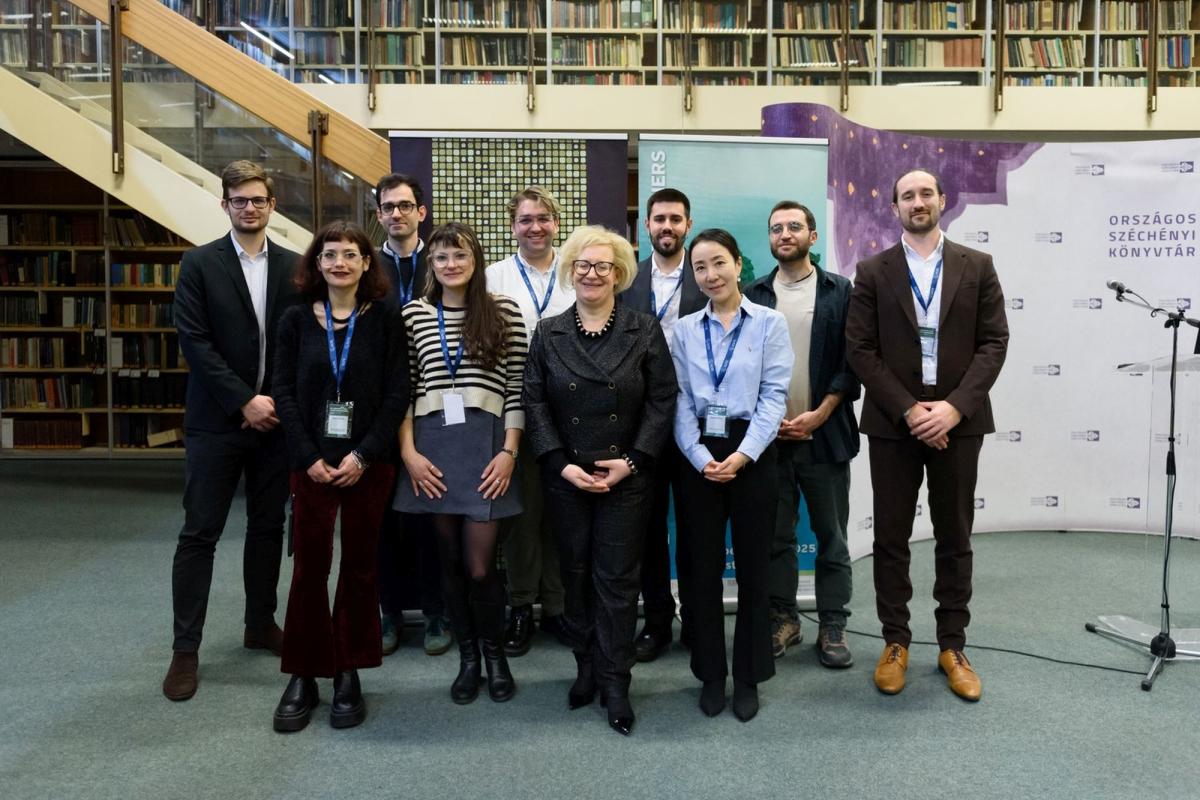
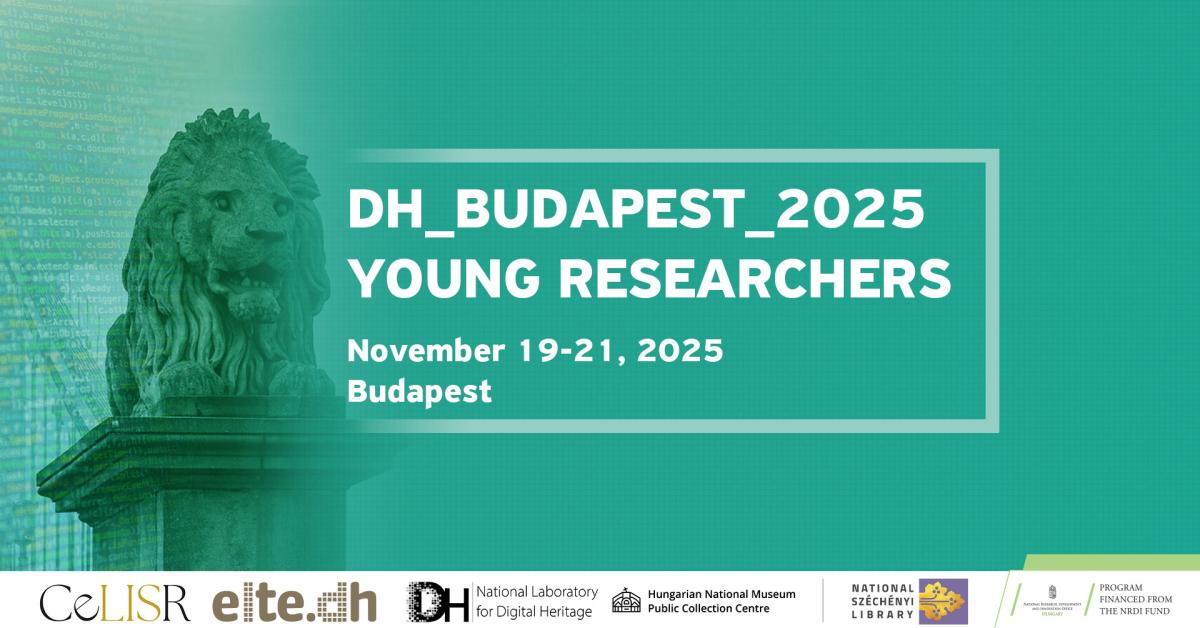
The DH_Budapest_2025 – Young Researchers conference took place between 19th and 21st November 2025, jointly organized by the Department of Digital Humanities of the Faculty of Humanities at Eötvös Loránd University (ELTE) and the National Széchényi Library (OSZK).
The aim of the three-day, English-language event was to provide a professional forum for young researchers exploring the intersecting fields of digital humanities and artificial intelligence. The dual venue of the event—the campus of ELTE Faculty of Humanities and the National Széchényi Library—highlighted the equally decisive role of higher education research practices and the work of public collections responsible for preserving national cultural heritage in shaping this dynamically developing field.
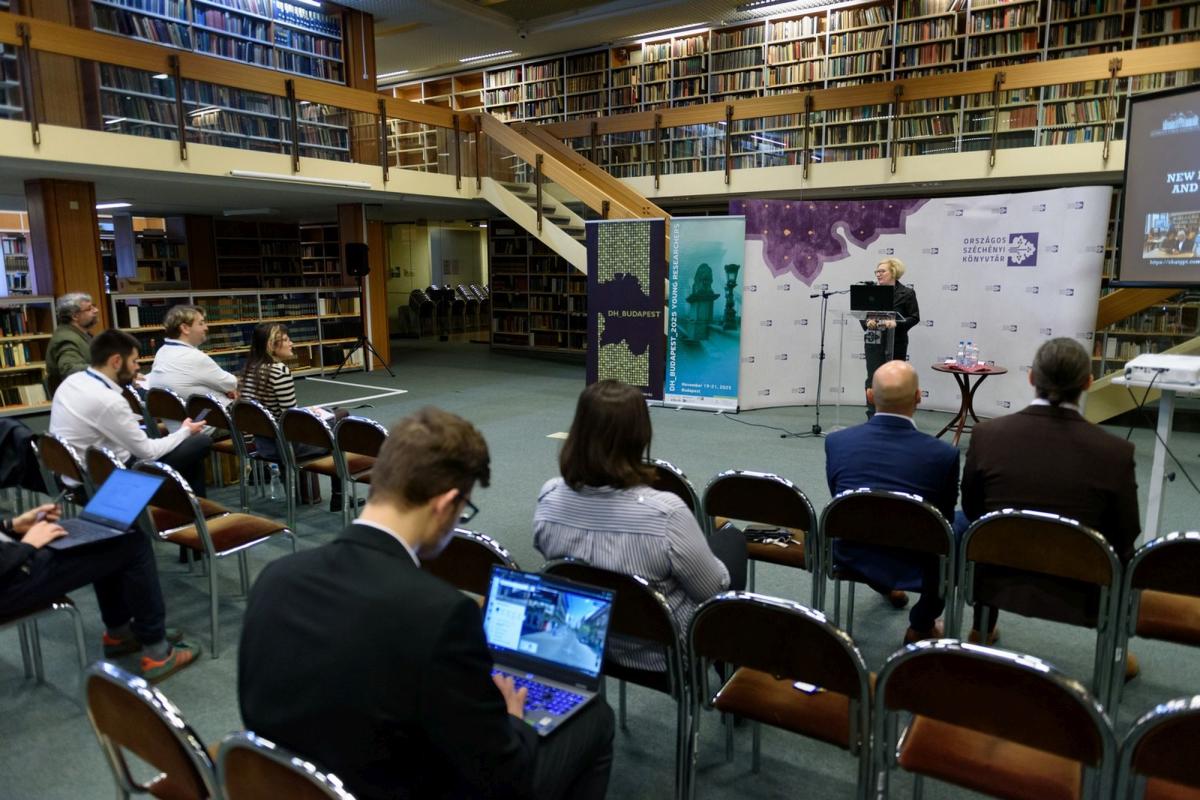
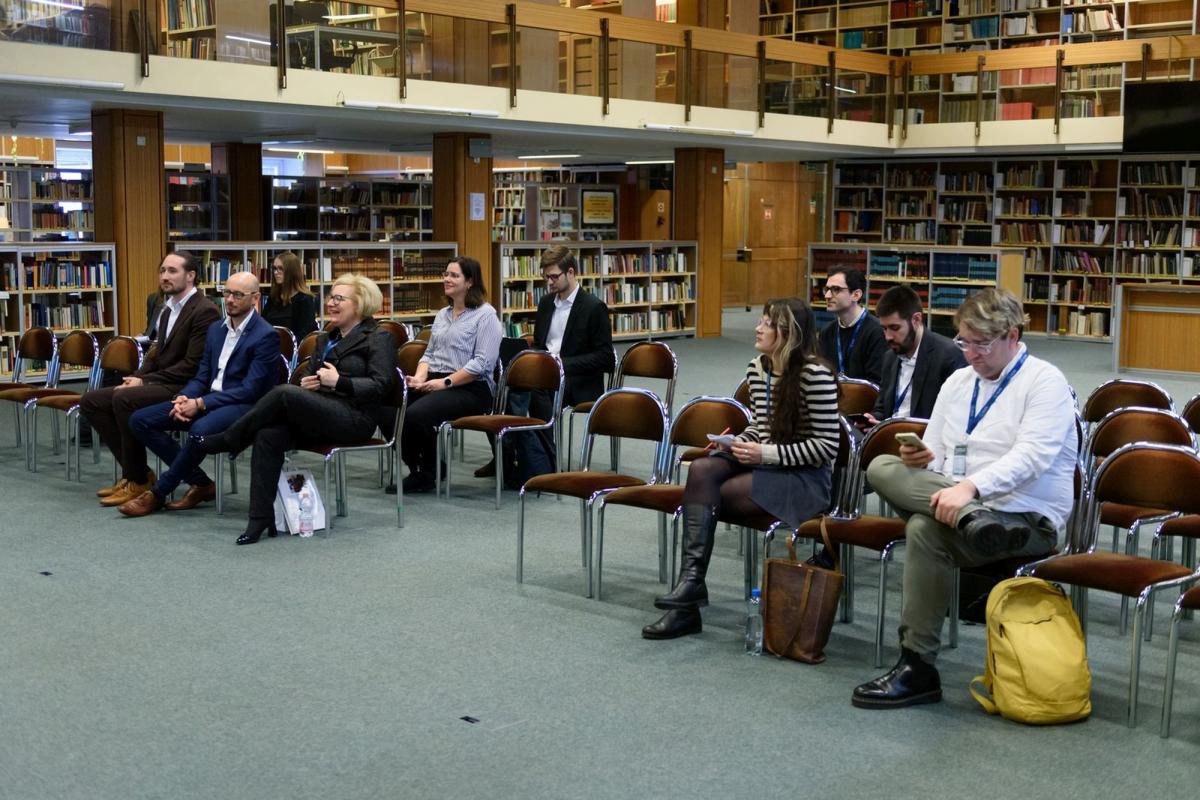
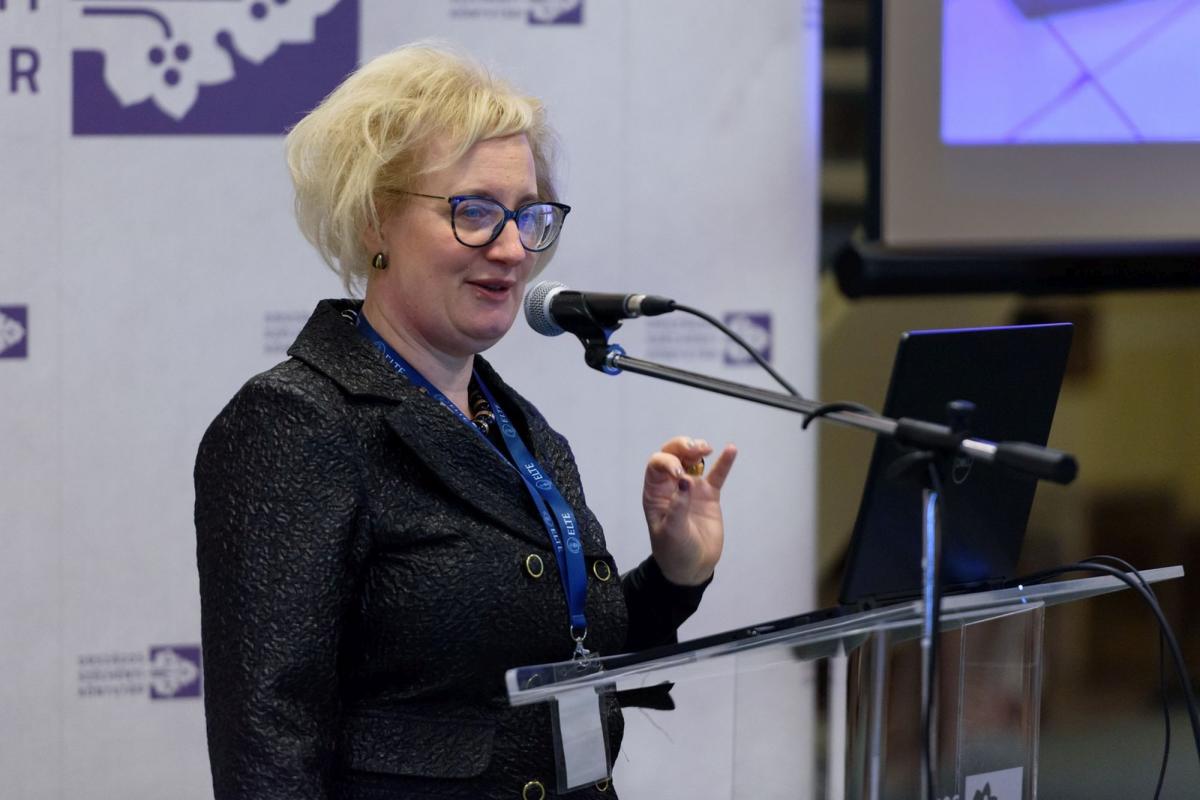
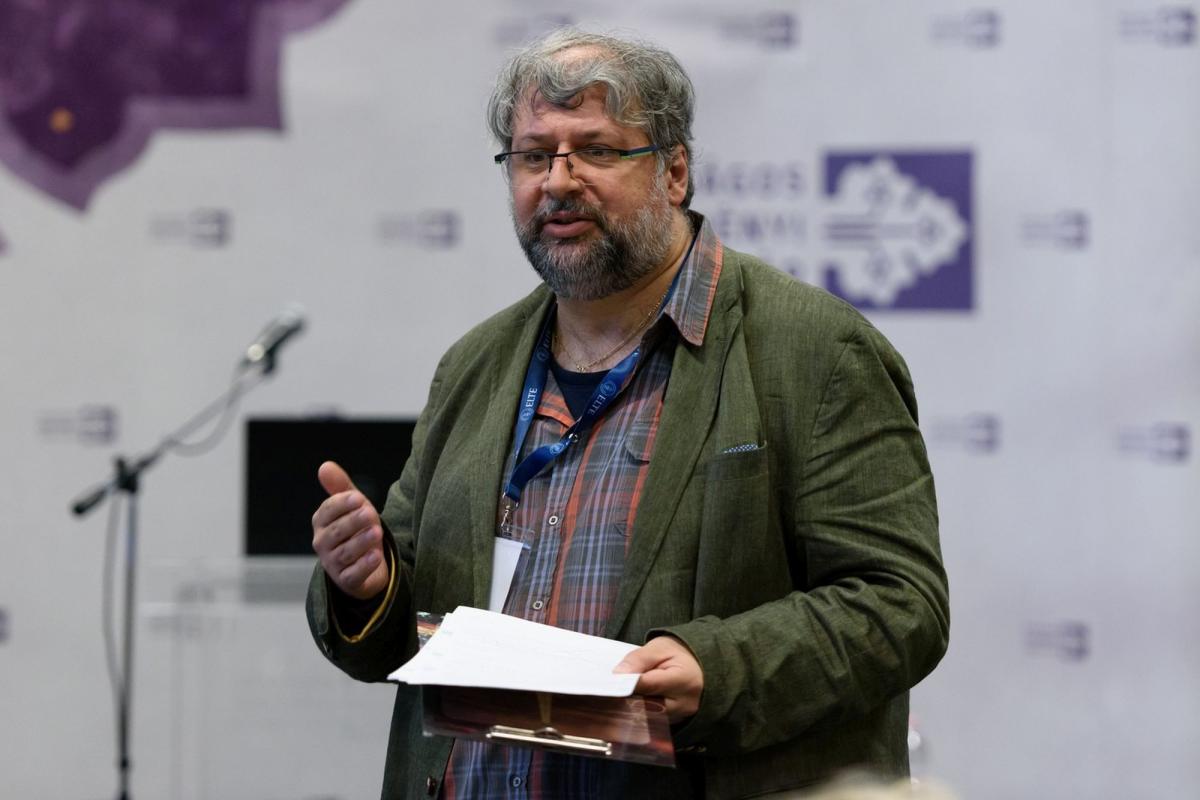
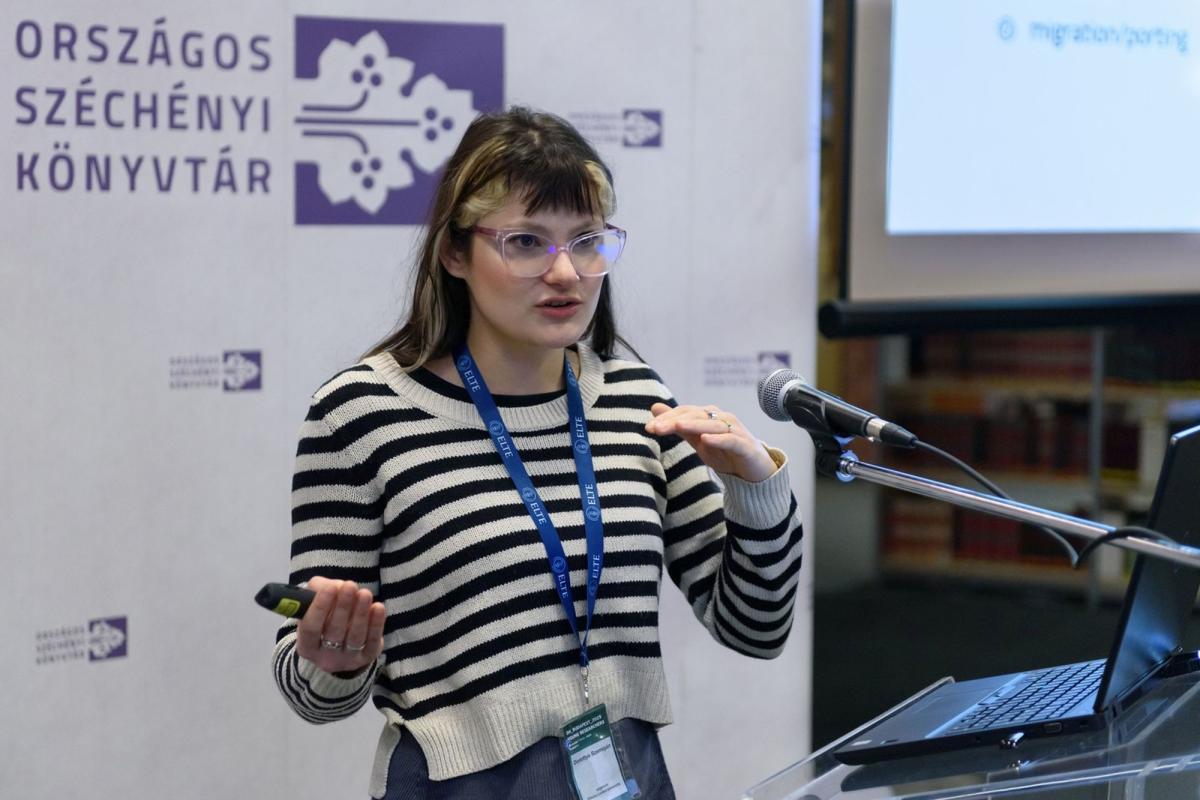
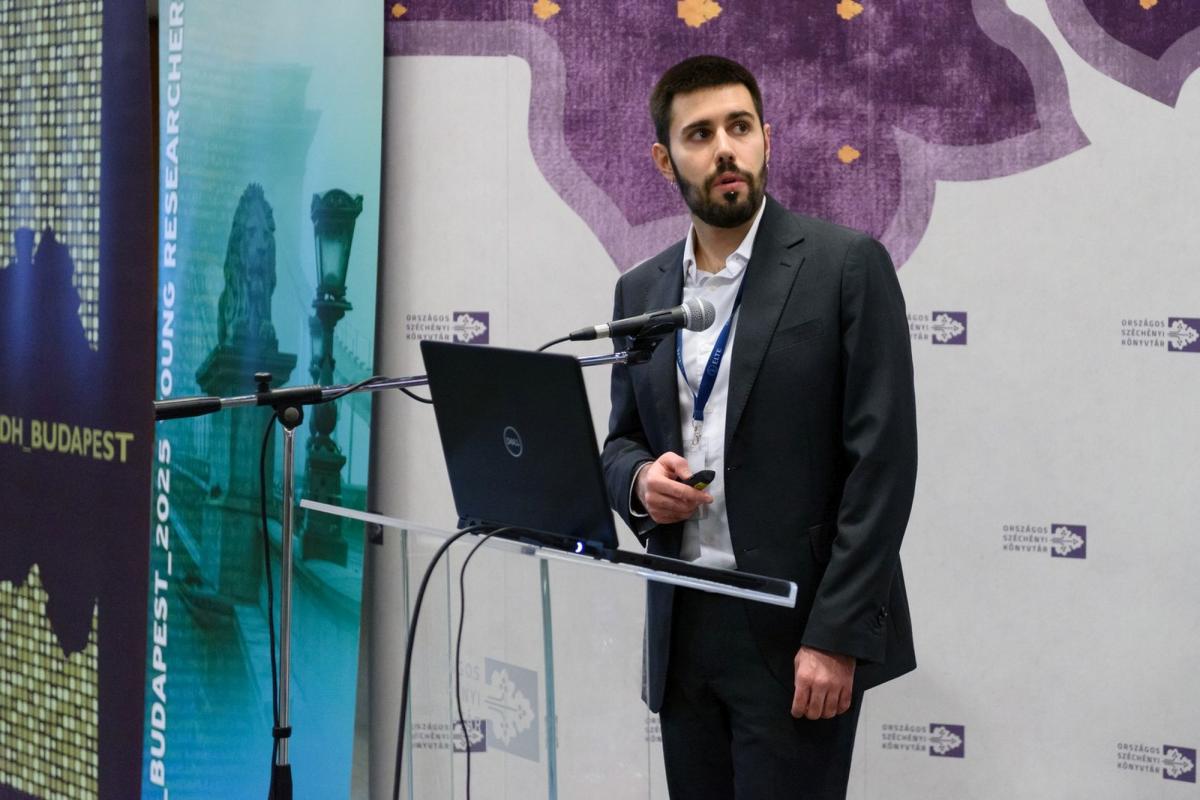
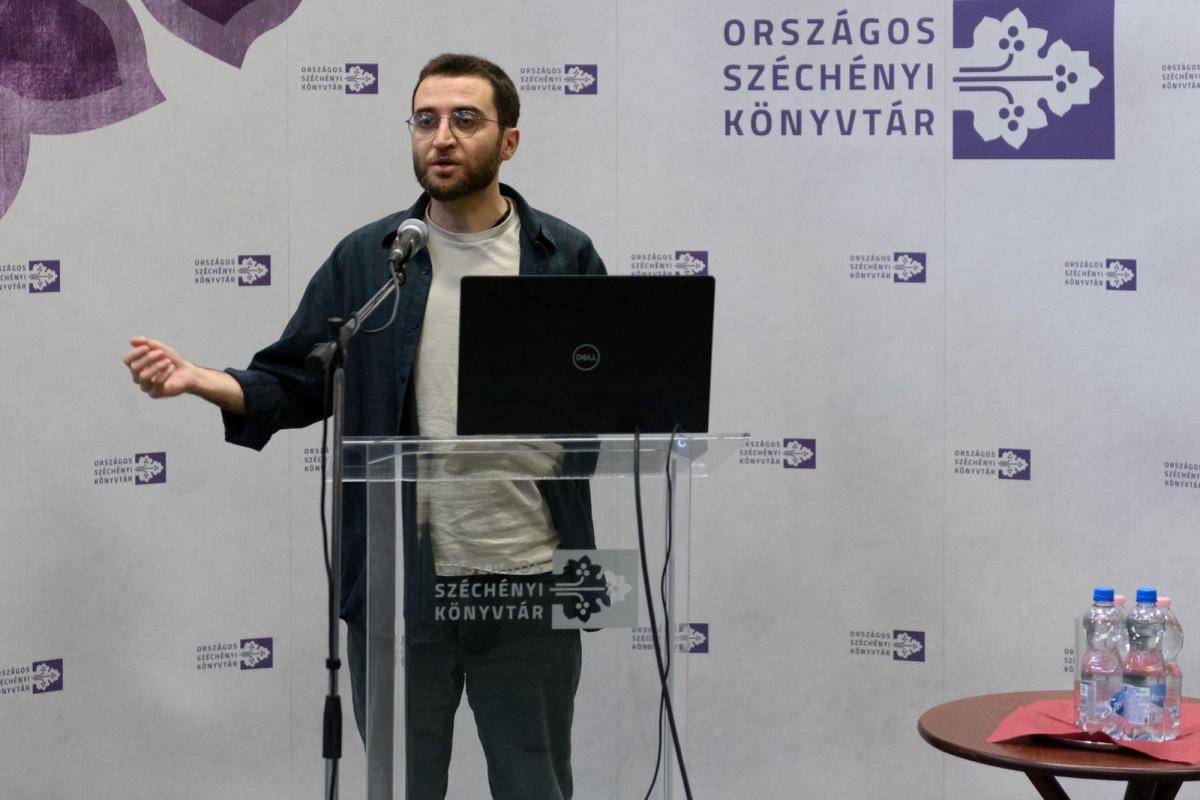
The conference day on 21st November was hosted by the National Széchényi Library, where the intersections of cultural heritage, literature, and artificial intelligence came into focus. In her plenary lecture, Judit Gerencsér, Deputy Director General of the National Széchényi Library, outlined the new roles the library profession facing in the age of artificial intelligence, emphasizing the interdisciplinary role of digital literacy and professional responsibility.
Mihály Nagy and Ingrid Sfet delivered presentations on the research intersections of cultural heritage and AI, addressing topics ranging from methodological dilemmas of tool selection to multimodal strategies in religious education.
Literary and theatrical perspectives were represented by Hadeel Endewy and Dorottya Szemigán, who spoke about AI-supported interactive theatre, the limitations of algorithmic reading, and the potential of Disztichon Alfa examined as a generative poetic model.
Methodological issues of digital preservation of cultural heritage were analysed by Dario Baldini. The day concluded with presentations by Taulant Salihi on algorithmic image analysis, by Heejung Ryoh on an institutional resilience model, and Ábel Hajas on the application of laser scanning and reconstruction in Hungarian castle research.
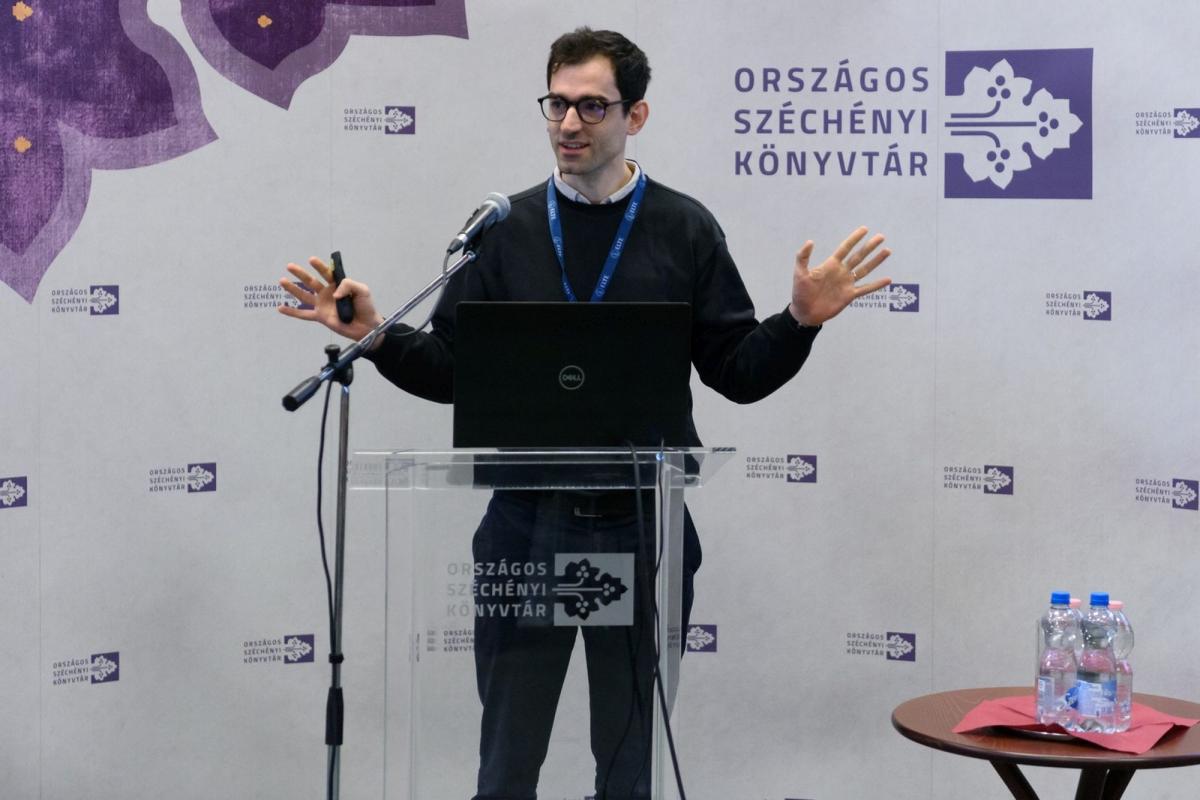
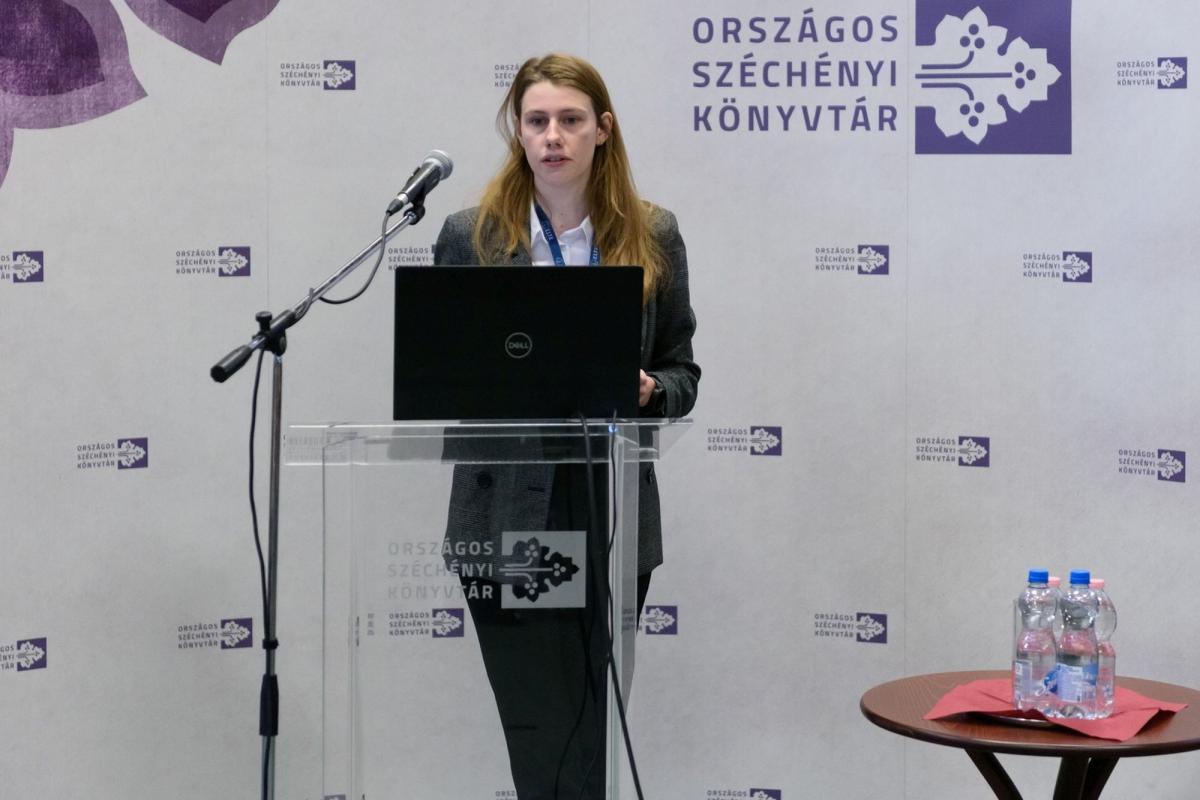
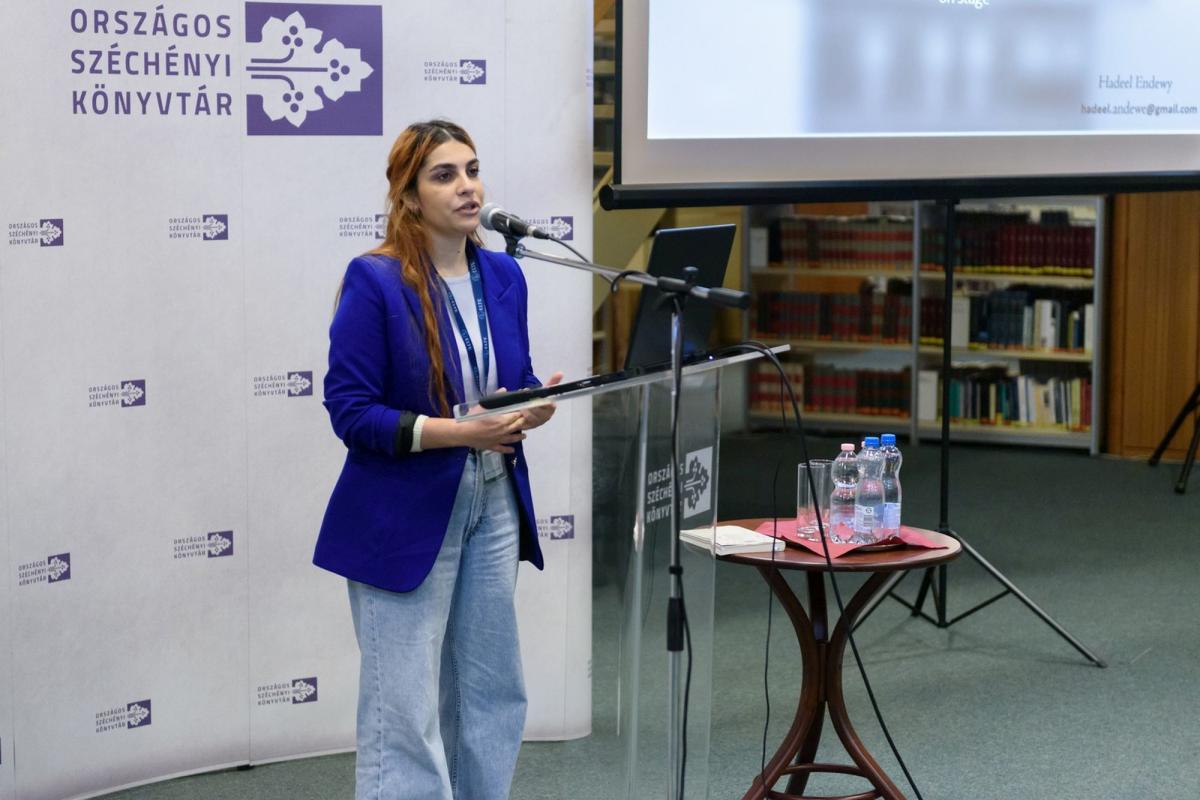
 The diverse program of the DH_Budapest_2025 – Young Researchers conference demonstrated that digitalization and artificial intelligence are not merely technological tools but they also shape the way of thinking, increasingly integrating into the perspectives of the humanities. The event not only offered young researchers an opportunity to present their work but also created a genuine professional community in which they could jointly shape the future relationship between artificial intelligence and the humanities. The national library contributed to deepening interdisciplinary dialogue both as an active participant and as a host venue.
Related content:
DATA OF PUBLIC INTEREST | PRIVACY POLICY | © NSZL 2015–2026

| MENU |

|